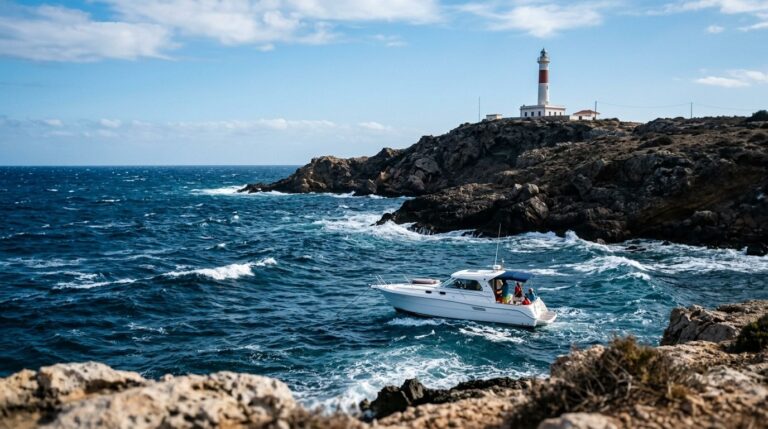
The Mar Menor is a unique place to own a boat. It’s Europe’s largest saltwater lagoon, separated from the Mediterranean by the narrow strip of La Manga, and its calm, warm water makes it ideal for families, watersports and learning. But the same conditions that make it so pleasant also create specific problems for boats and engines.
1. Shallow water
The Mar Menor is shallow: generally only a few metres deep, with a maximum of around 7 metres, and much shallower near the shore, around the islands and off many beaches and channels.
Problems we see:
- Propellers and skegs damaged by grounding on sand banks.
- Engine intakes sucking up sand and mud, causing overheating and impeller wear.
- Sterndrives damaged when boats are run aground at speed.
What to do: know your chart and depths, trim up in shallows, approach beaches slowly and check the raw water strainer and intakes after any time in shallow water.
2. Weed and algae
The Mar Menor has well-known problems with nutrient pollution, and algae and weed blooms have been a recurring issue. Floating weed can block engine intakes and strainers very quickly.
What to do: check the strainer before every trip, and immediately if the temperature rises. Avoid running through floating weed where possible. Keep a cleaning tool for the outboard water intake grille on board.
3. High salinity and warm water
The Mar Menor is saltier than the open Mediterranean and much warmer in summer. That means:
- Faster marine growth on hulls and drives, so regular antifouling is essential.
- Faster consumption of anodes, so check them more often.
- Salt build-up in cooling passages, making fresh-water flushing after every trip very important.
- Engines running warmer in midsummer, so a marginal cooling system that coped in spring may overheat in August.
4. Jellyfish
Jellyfish blooms can occur in summer. Large numbers can be sucked into cooling water intakes and strainers, causing sudden overheating.
5. Moving between the Mar Menor and the Mediterranean
Boats pass between the lagoon and the open sea through channels such as the Canal del Estacio in La Manga, where the Puente del Estacio lifting bridge opens at set times. Check the current opening schedule before planning a trip, and allow for a wait. Conditions outside can be very different from the calm lagoon, especially in a Levante wind, so make sure your boat and equipment are ready for open water.
6. Navigation and environmental rules
The Mar Menor is a protected environment, and there are rules on speed in certain zones, anchoring near seagrass and discharging anything overboard. Rules change, so check with your marina or the regional authorities before the season. Never discharge grey or black water into the lagoon.
7. Moorings and storage
Many Mar Menor marinas and moorings are shallow, and boats sitting in warm water foul quickly. Dry storage or a boat lift is an excellent option for boats used occasionally.
A Mar Menor checklist
- Clean the raw water strainer before every trip.
- Flush the engine with fresh water after every trip.
- Check anodes monthly in summer.
- Trim up in shallow water and approach beaches slowly.
- Antifoul every year, or use dry storage.
- Carry a VHF and know who to call. Our rescue at sea service covers the whole Mar Menor.
We’re based in Campoamor, a short drive from the Mar Menor, and work on boats around the whole lagoon, from San Pedro del Pinatar and Lo Pagán to Los Alcázares, Los Nietos, Mar de Cristal and La Manga. Get in touch.